Azad Kashmir · Valleys
Neelum Valley
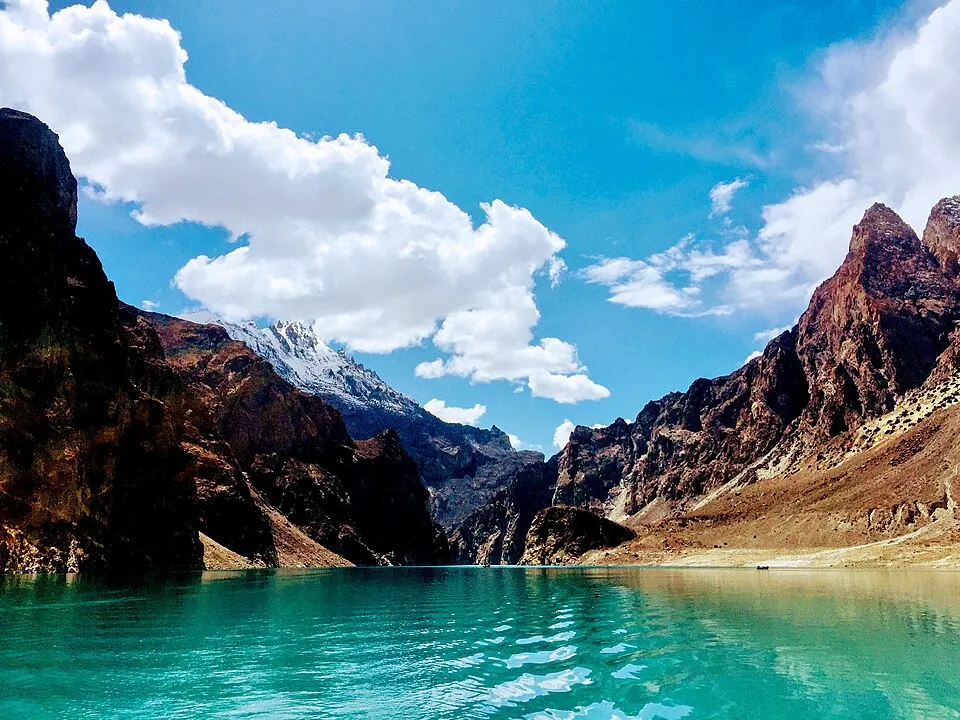
I'd follow the Neelum River like a long green sentence from near Muzaffarabad toward Keran, Sharda, and Kel. You'll get forested slopes and quieter nights than the main Kaghan strip, if you give the upper valley an extra day.
Plan this tripAlso known as Neelam Valley, Kishanganga Valley
Best for
- Families
- Photographers
- Quiet seekers
- First-timers
Elevation band 900-2,600 m · Kashmiri- and Hindko-speaking communities along the Neelum corridor
Practical notes
FamiliesFirst-timers
- Connectivity
- Data is patchy beyond Muzaffarabad and often thin toward Kel. I'd download offline maps and assume Arang Kel is a intentional blackout with views.
- Facilities
- Lodging denser around Athmuqam, Keran, Sharda, and Kel; services thin between.
These notes are not a safety guarantee. Conditions change; check closer to your dates.
Access
Getting there
245 km
Distance
~6 hrs
Drive
Last mile
Road follows the Neelum River; upper settlements (Sharda, Kel, Taobut) add hours on narrower stretches.
Road Good toward Muzaffarabad; narrower and winding beyond into the valley - weather and security advisories matter.
When to go
Month-by-month access and crowding.
- Ideal
- Crowded
- Risky
- Closed
- Unknown
I'd follow the Neelum River like a long green sentence from near Muzaffarabad toward Keran, Sharda, and Kel. You'll get forested slopes and quieter nights than the main Kaghan strip, if you give the upper valley an extra day.
Flagship stops
Must-Visit Places in Neelum Valley
The places most travelers should prioritize here: viewpoints, lakes, forts, and trailheads that define a first visit. 1 with a full Sublime Northern guide.
- Open
Arang Kel
The meadow day most people come for: a climb above Kel to open grass and big views. I'd start early and treat weather as the boss.
Keran
Riverside stop with views across the Neelum. Good overnight if you are pacing the lower valley without rushing to Kel.
Sharda
Historic settlement and a natural mid-valley pause. I'd use it to break the Athmuqam-to-Kel drive into something human.
Kel
Upper-valley hub for Arang Kel staging. Services exist but thin out fast once you leave the main lane.
On the ground
What to expect
Facilities
Basic
Permit
Not required
Entry fee
Confirm locally
Facilities Lodging denser around Athmuqam, Keran, Sharda, and Kel; services thin between.
Permit Check current access rules for upper Neelum segments before travel.
The story
Neelum stretches as a linear corridor along the Kishanganga, with settlements spaced between steep wooded walls. I'd overnight in Athmuqam or Keran for the lower stretch, then push to Sharda and Kel if time allows, with Arang Kel as the meadow day that makes the drive feel justified. The Islamabad approach is shorter than Gilgit-Baltistan routes, but upper segments reward patience. Infrastructure is improving and still thinner than Naran or Hunza, so I'd carry cash, confirm lodging, and watch monsoon bulletins like they matter, because they do.
Culture & context
Cuisine
Simple Kashmiri and local home-style meals in guesthouses. I'd not expect endless cafe variety past Athmuqam.
Etiquette
This is a border-proximate corridor. Follow local guidance, avoid restricted viewpoints, and ask before photographing people or installations.
Language
Kashmiri and Hindko are common; Urdu works for travel logistics. Patience beats volume on narrow road negotiations.
Light & place
Photo spots
Named viewpoints with when the light usually cooperates - not a generic shot list.
- late afternoonSpot 01
Keran riverside
Soft light on the Neelum walls. Stay on permitted public viewpoints.
- morningSpot 02
Arang Kel meadows
Clearest views before cloud builds. Carry layers; wind is part of the admission price.
- mid-morningSpot 03
Sharda river bend
Good pause frames without a full meadow climb. Keep the roadside respectful and tidy.
Photos
3 photos
I'd give Neelum an extra night and let the river decide how far up-valley I still felt curious.
Sleep
Where to stay
Base yourself in
- Athmuqam
- Keran
- Sharda
- Kel
Typical night
PKR 3,500-12,000 / night
- Guesthouses
- Hotels
- Homestays
Book vs walk-in Peak summer weekends, I'd call ahead for Kel and Arang Kel staging nights. Shoulder months, walk-in is more realistic if you arrive before dark.
I'd ladder overnight stops up-valley rather than pretending one hub covers everything. Athmuqam and Keran are easier for first nights; Kel is the staging town for Arang Kel. Rooms are simpler than Naran, kitchens can close early, and hot water is a negotiation with altitude and season.
Connectivity Data is patchy beyond Muzaffarabad and often thin toward Kel. I'd download offline maps and assume Arang Kel is a intentional blackout with views.
Luggage
What to pack
Here's what I'd actually put in the bag for Neelum Valley - not a catalog fantasy, just the kit that stops the trip from becoming a negotiation with the weather.
Essential
- Soft bag + daypack40-50L + 20-30L
Long corridor days. Keep documents and camera in the daypack.
- Layered clothingBase + mid + shell
Lower valley mild, Arang Kel cooler. Pack for both moods.
- Rain shell1
Monsoon slips are why buffer days exist.
- Cash (PKR)4-6 days float
ATMs thin out fast. I'd withdraw in Muzaffarabad.
- Trail shoes1 pair
Arang Kel climb is not a sandal outing.
- Sun protectionHat + SPF
Meadow glare surprises people who packed only for shade.
- Snacks and waterDay supplies
Gaps between towns invent hunger. Pack boring food.
Nice to have
- Power bank1
Charging can be scarce up-valley.
Money
Rough costs
Per person / day
PKR 5,000-14,000
Stay + simple meals + local hops
Guesthouse nights, simple meals, and fuel for the long corridor. Arang Kel transport adds a spike. Peak weekends lean higher; cash is non-negotiable.
Trip reports
No trip reports yet. Be the first to share one.
FAQ
If I only had two days, I'd stop around Keran. With four or five, I'd push to Kel for Arang Kel. The valley rewards distance more than rushing.
How this guide was checked
This guide was desk researched and has not yet been field verified.
Current road, permit, and weather status: confirm locally. Conditions change.
No named field editor is attached to this page yet — we do not invent bylines.